Fly fishing is much more than a recreational pastime; it is a timeless art that draws people into a profound relationship with nature. Unlike traditional fishing, fly fishing requires skill, patience, and a delicate touch, creating a unique experience where the angler must become attuned to the subtle rhythms of the water and the creatures that inhabit it. This connection makes fly fishing a deeply rewarding activity that transcends the simple goal of catching fish.
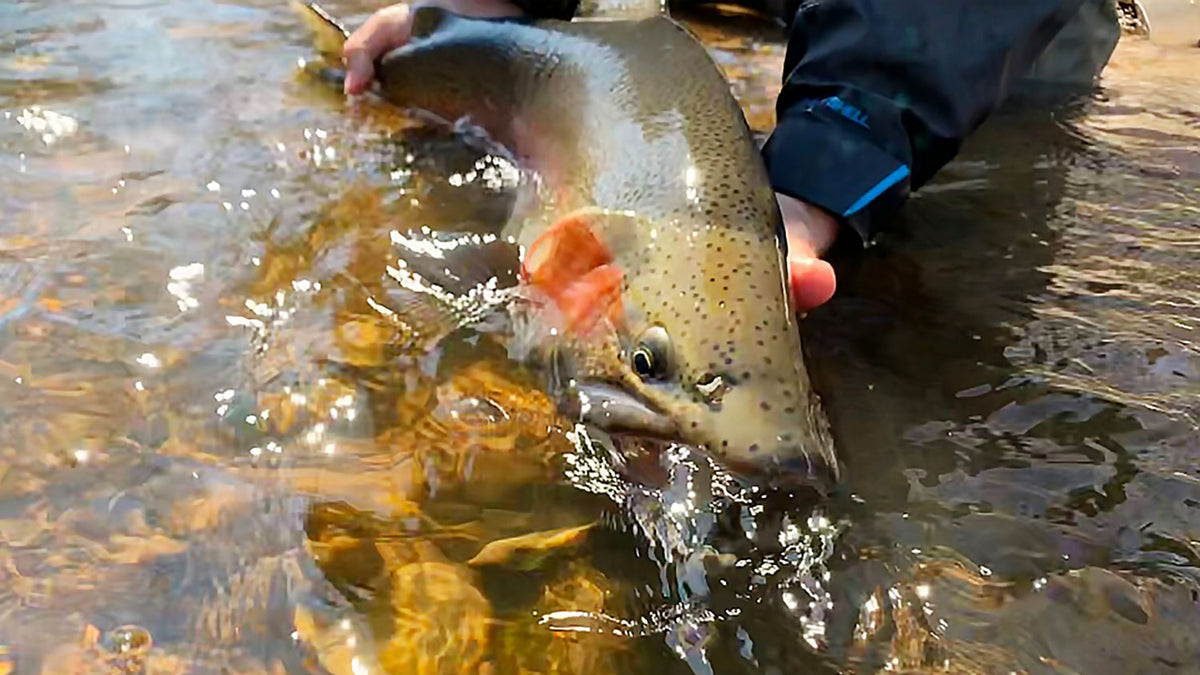
The essence of fly fishing lies in its technique. Using a lightweight rod and a specially designed artificial fly, anglers mimic the appearance and movement of insects that fish naturally feed on. Casting the fly requires precision and grace, as the goal is to present it gently on the water’s surface without alarming the fish. This demands an understanding of casting mechanics as well as a keen observation of the environment—where fish are feeding, the direction of the current, and the type of insects present at that moment.
The setting for fly fishing is often as captivating as the sport itself. Rivers winding through forested valleys, mountain Stephen Gleave Ancaster streams bubbling over rocks, and tranquil lakes nestled in remote landscapes offer peaceful escapes from daily life. The sights and sounds of these natural environments—birdsong, rustling leaves, and flowing water—create a meditative atmosphere. Time seems to slow, allowing anglers to focus on the moment, appreciate the beauty around them, and find a sense of calm and clarity.
Fly fishing also fosters a deep respect for the delicate ecosystems it depends on. Anglers learn to appreciate the life cycles of aquatic insects, the behaviors of fish species, and the importance of clean, healthy waterways. This awareness often leads to a commitment to conservation efforts, as protecting these environments ensures that future generations can enjoy the same experience. Many fly fishers advocate for sustainable fishing practices and habitat preservation, understanding that their sport thrives only when nature thrives.
Beyond the solitude and connection with nature, fly fishing offers social and educational benefits. It brings together communities of enthusiasts who share tips, stories, and a passion for the outdoors. Learning from experienced anglers and passing down knowledge fosters a sense of tradition and camaraderie that enriches the experience.
In a world that moves rapidly and often disconnects us from the natural world, fly fishing serves as a gentle reminder to slow down, observe, and engage with the environment. It is a practice that challenges the body and mind while offering peace and fulfillment. For those seeking an escape into nature’s flow, fly fishing opens a door to discovery, patience, and the simple joy of being present in the wild.